
Manufacturing polyurethane cutting edges since 1973
UHMW Plow Edge Alternative
Comparing UHMW Plow Edges? Here's What Outlasts Them.
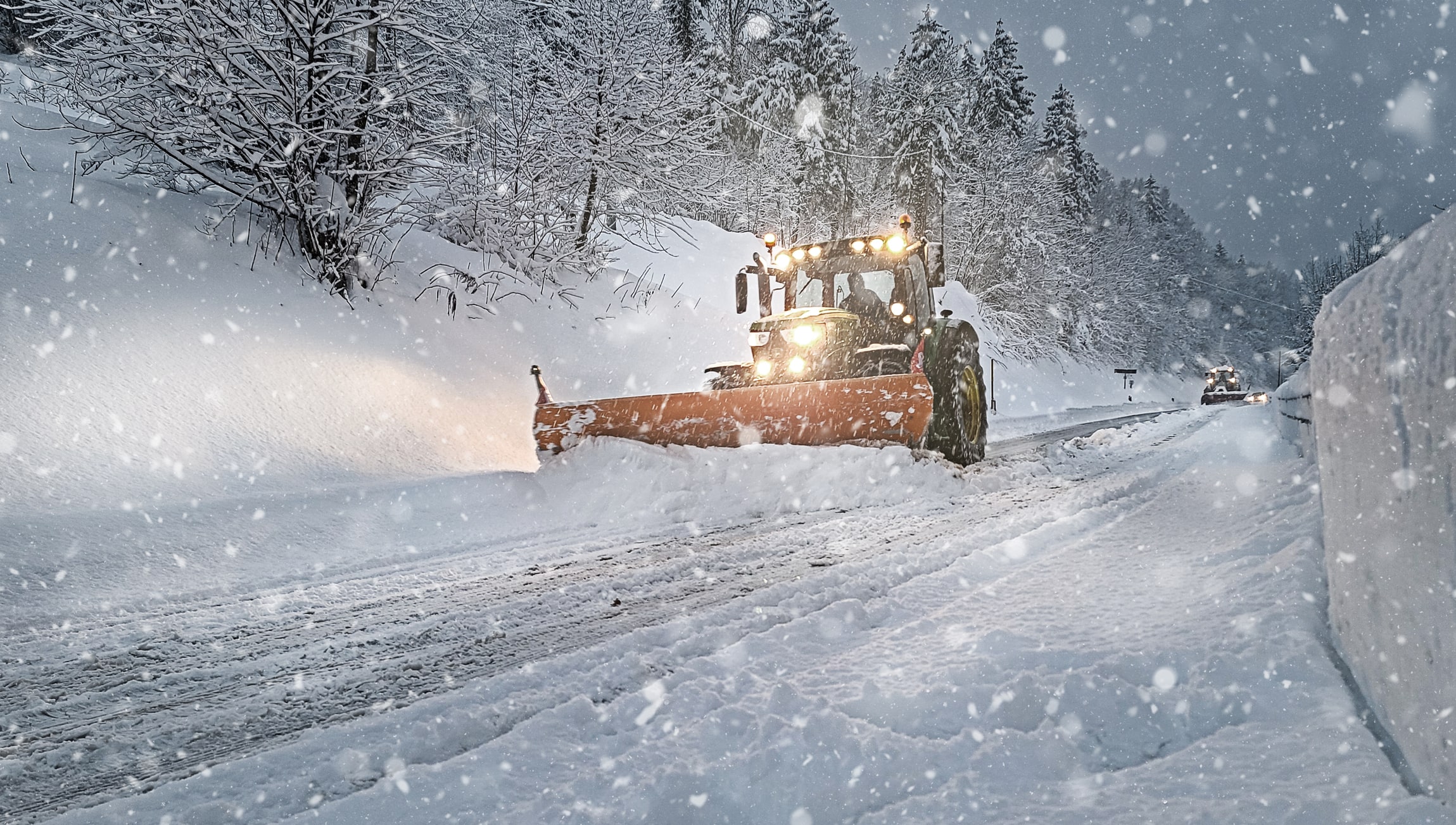
UHMW is a rigid plastic with low friction, but it doesn't flex. In real plowing conditions, impact against curbs, manhole covers, and frost heave is what wears out a cutting edge, and that's where polyurethane's elastic memory wins. Surface Saver™ polyurethane cutting edges flex on impact and rebound to shape instead of chipping or deforming.
Get a Quote
Shop Cutting Edges
Polyurethane vs. UHMW, at a glance
| Attribute | Winner |
|---|---|
| Impact absorption | Polyurethane |
| Resists chipping under impact | Polyurethane |
| Cold-weather flexibility (-30°F) | Polyurethane |
| Holds shape through freeze/thaw | Polyurethane |
| Lowest sliding friction | UHMW |
| Won't mark painted surfaces | Tie |
50+ Years Made in the USA since 1973
100,000+ Cutting Edges Sold
5x Outlasts Rubber and UHMW
-30°F Stays Flexible Won't Go Brittle
Why the Comparison Isn't Really About Friction
UHMW gets chosen for its low coefficient of friction, close to PTFE. That helps with sliding drag, but sliding isn't what tears up a plow edge. Impingement wear (material striking the edge at an angle) and repeated impact are the dominant wear modes in plowing, grading, and pushing. That's a contest between a rigid thermoplastic and an elastomer built to flex and recover, and it's why polyurethane is the material most plow manufacturers and municipalities have standardized on.
Polyurethane Flexes, then returns to shape
As a cast thermoset elastomer, polyurethane has genuine elastic memory. It flexes when it hits a manhole cover, expansion joint, or frost heave, then rebounds to its original shape. That absorbs impact instead of transmitting it into the plow frame, which is also why operators report less cab vibration and chatter.
UHMW Rigid, with no recovery
UHMW is a thermoplastic, not an elastomer. It doesn't flex and rebound the same way. Impacts that a polyurethane edge absorbs and shrugs off can chip or permanently deform a UHMW edge, since there is no elastic memory to return it to shape.
Material Classification
| Property | Polyurethane (Surface Saver™) | UHMW |
|---|---|---|
| Polymer type | Thermoset elastomer (cast) | Thermoplastic |
| Typical hardness for plow edges | 80A to 95A Shore A | ~60D to 70D Shore D |
| Elastomeric memory | Yes, returns to shape after deformation | No, deforms permanently under sustained load |
| Manufacturing method | Cast to durometer and dimension | Extruded or machined from sheet stock |
Abrasion, Impact, and Cold-Weather Performance
Full Comparison
| Criterion | Polyurethane | UHMW | Advantage |
|---|---|---|---|
| Impact absorption / elastic memory | Flexes and rebounds | Rigid, no recovery | Polyurethane |
| Impingement / impact wear resistance | High, resists chipping | Moderate, prone to chipping | Polyurethane |
| Sliding friction (coefficient) | Higher than UHMW | Very low, near-PTFE | UHMW |
| Cold-weather flexibility | Rated to -30°F, stays flexible | Stiffens more in extreme cold | Polyurethane |
| Dimensional stability across temperature swings | Good | Lower, more thermal expansion | Polyurethane |
| Custom durometer / dual-durometer parts | Yes, cast to spec | No, fixed by stock grade | Polyurethane |
| Surface protection (non-marking) | Yes | Yes | Tie |
For most snow plow, grader, and pusher cutting-edge applications, the combination of impingement wear, impact loading, and wide temperature swings favors polyurethane's elastomeric properties over UHMW's rigidity.
Which Should You Choose?
Choose polyurethane when…
UHMW may make sense when…
Common Questions
Get the Polyurethane Advantage Over UHMW
Made in the USA since 1973. Over 100,000 cutting edges sold. Rated to -30°F.
Get a Quote
Shop Cutting Edges
Prefer to talk it through? Call 419-693-3466